Hydrojetting Services: Clear Drains the Right Way
Why Lansing Drains Get Blocked So Easily
Lansing sits atop glacial clay soil deposits left behind from ancient glacial activity. Clay does not drain quickly. It holds moisture against foundation walls and around buried pipes for extended periods after heavy rainfall or fall rains.
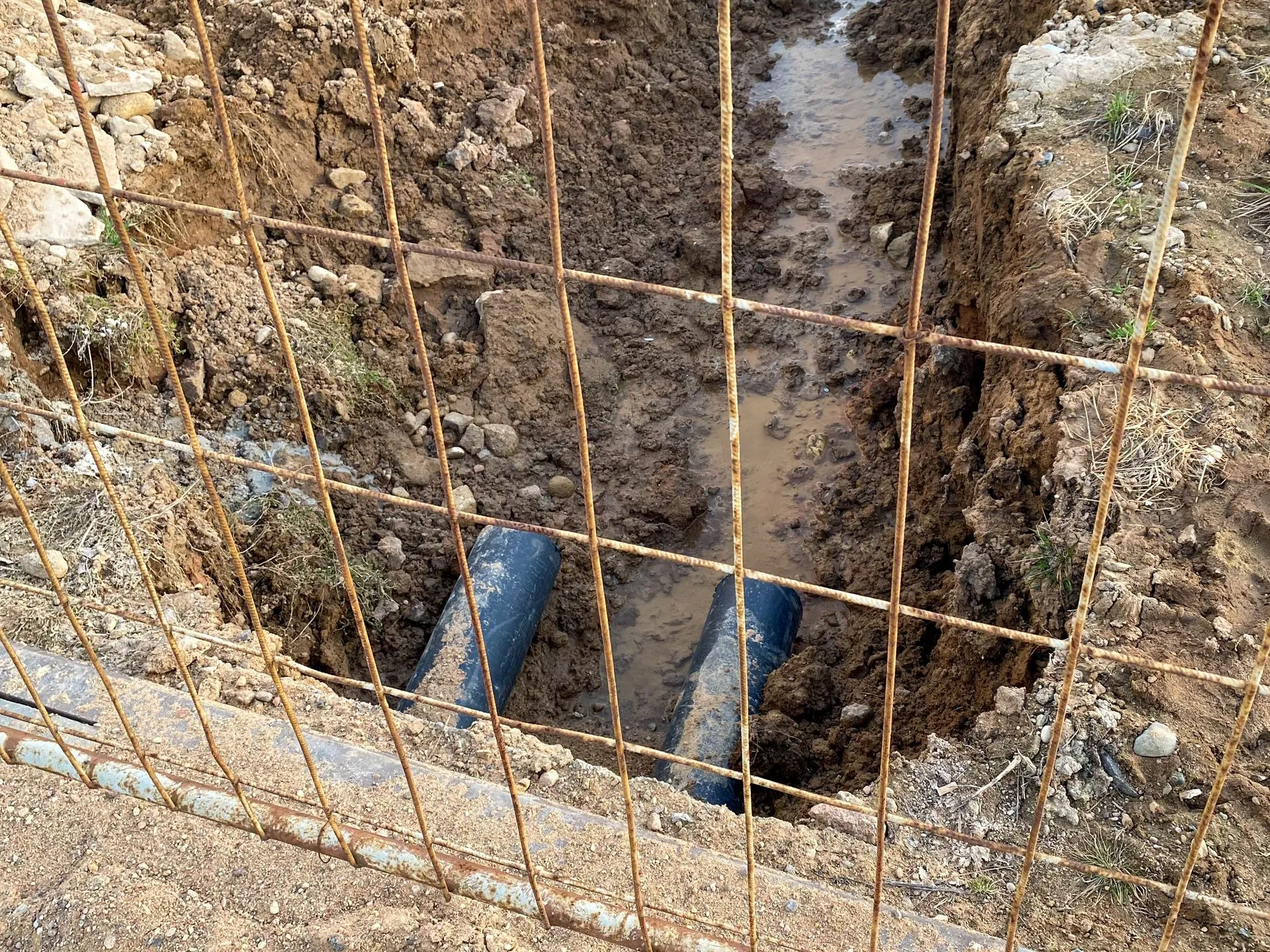
That constant soil pressure shifts pipes over time. Joints crack. Gaps form. Tree roots, always chasing moisture, find those gaps fast.
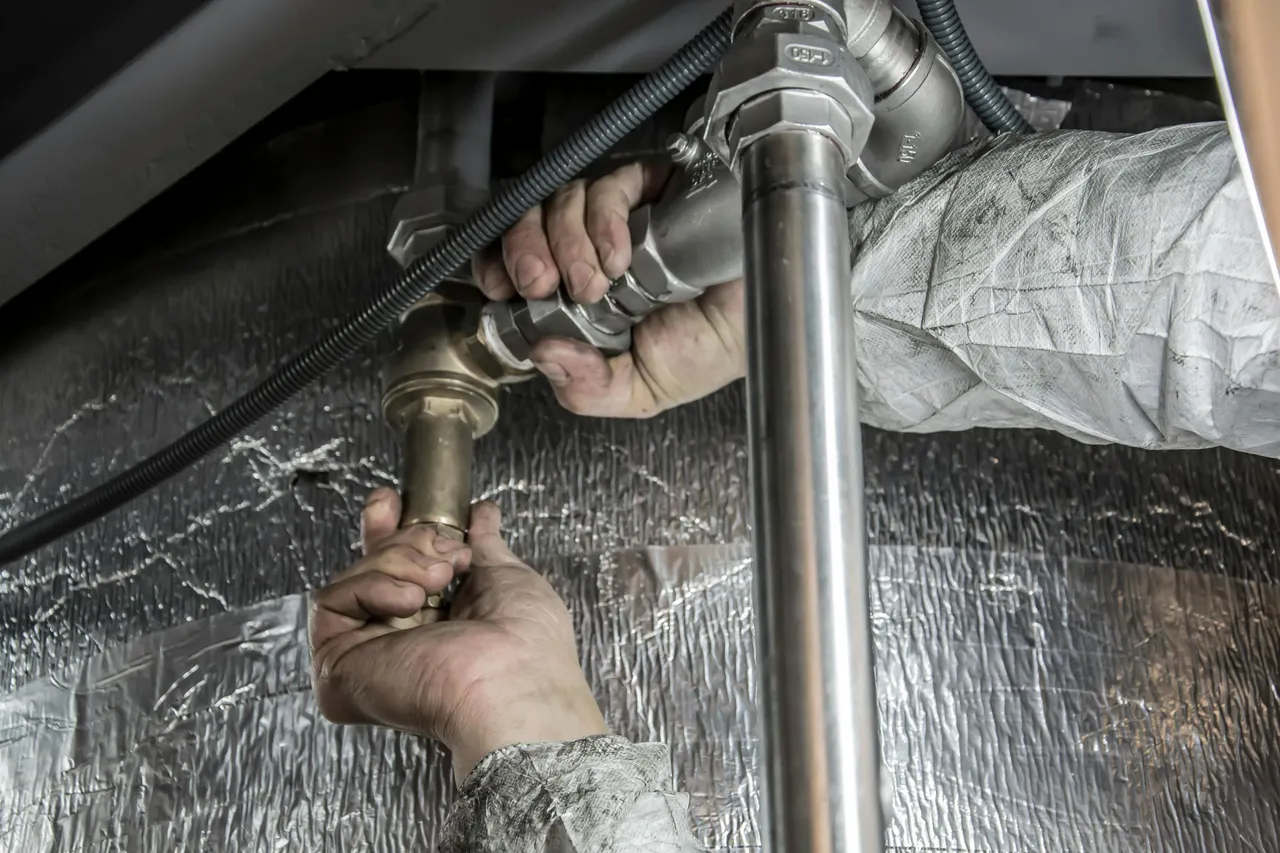
Cast iron and older clay sewer pipes are especially vulnerable. Clay pipe joints were never fully watertight to begin with, and cast iron corrodes from the inside out over decades. The result: narrowing pipe walls coated in grease, mineral scale, and root intrusion that slow every drain in the house.
Hydrojetting services blast stubborn blockages out of your pipes using hyper-pressurized water. This restores full drain flow without the damage that chemical cleaners cause. If you have slow drains, recurring clogs, or sewer backups in your Lansing home, this is the solution worth knowing about.
Armored Plumbing And Drain Cleaning sees this problem constantly across Lansing. Older homes, mature trees, and the region's clay-heavy soil create the perfect conditions for serious drain and sewer line blockages. Too often, homeowners reach for chemical drain cleaner first. That makes the underlying problem worse.
The Problem with Chemical Drain Cleaners
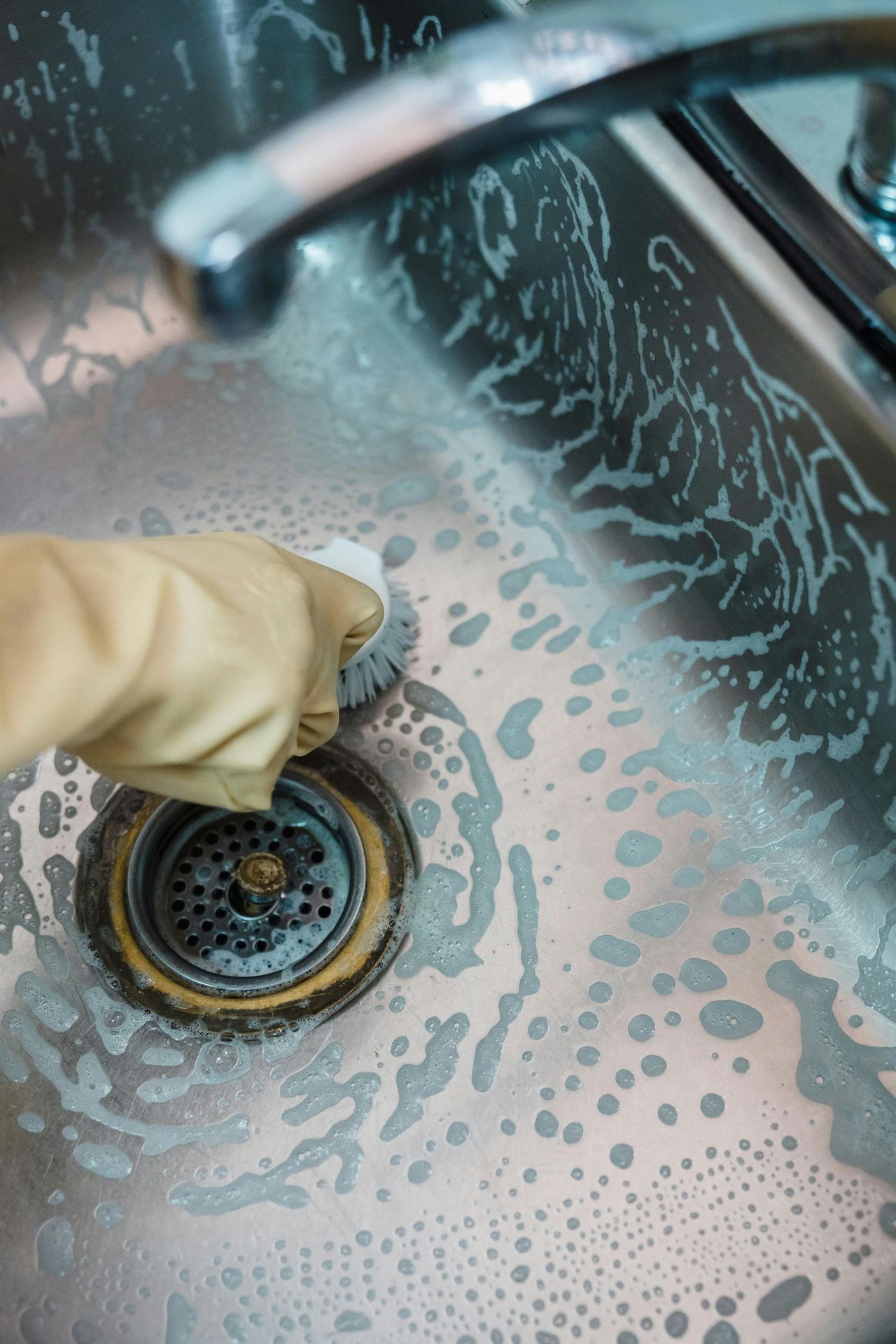
Pouring liquid chemical drain cleaner down a clogged drain feels like a quick fix. It rarely is.
Chemical cleaners are highly corrosive. They attack older copper and cast iron plumbing from the inside, thinning pipe walls with every use. A pipe already weakened by age and corrosion cannot handle repeated chemical exposure.
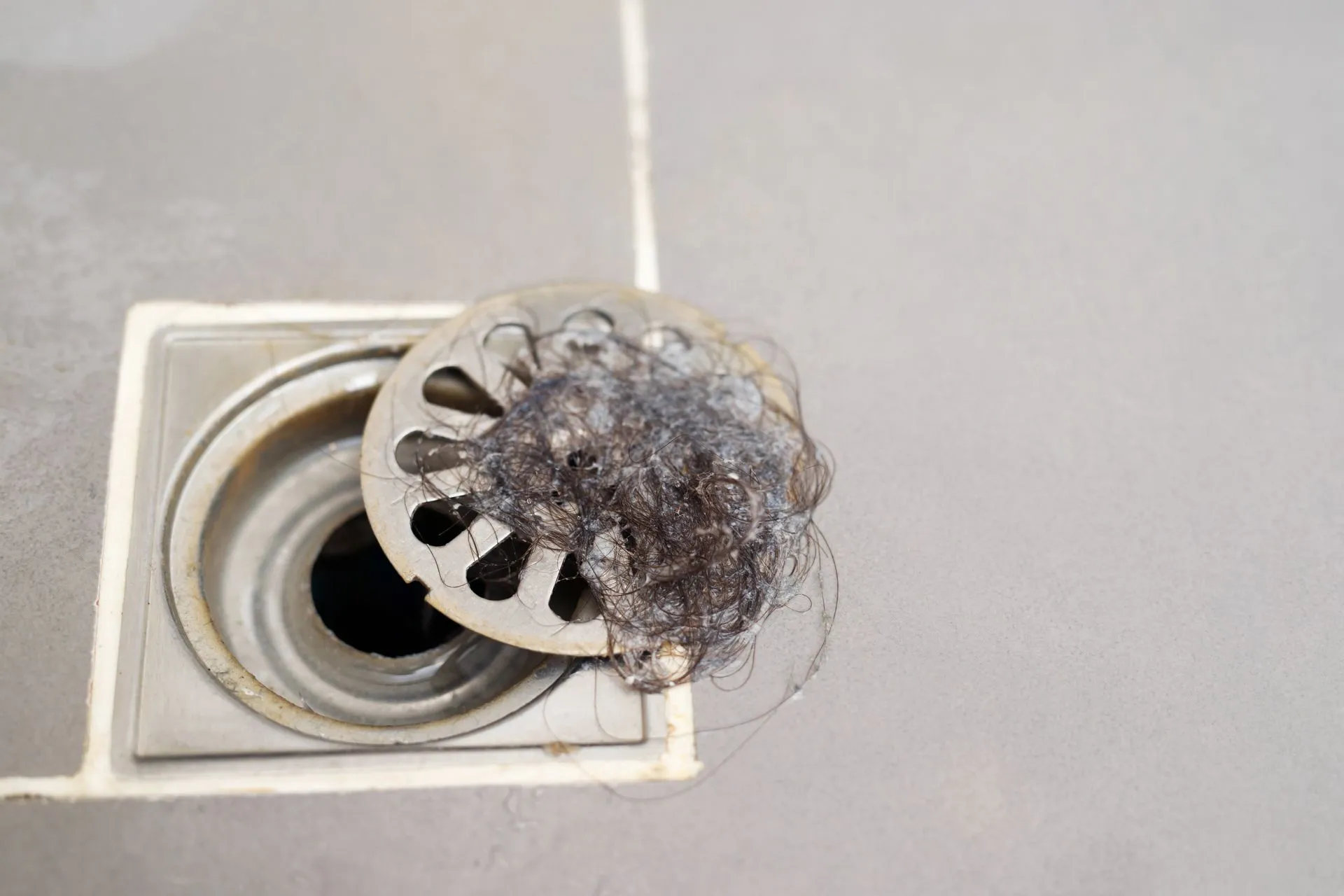
Worse, these products almost never clear the actual root cause of a serious blockage. Tree root intrusion and hardened grease scale require physical removal, not a chemical reaction. The drain may flow briefly, but the obstruction remains. Homeowners end up buying bottle after bottle while the real problem quietly worsens underground.
How Hydrojetting Actually Works
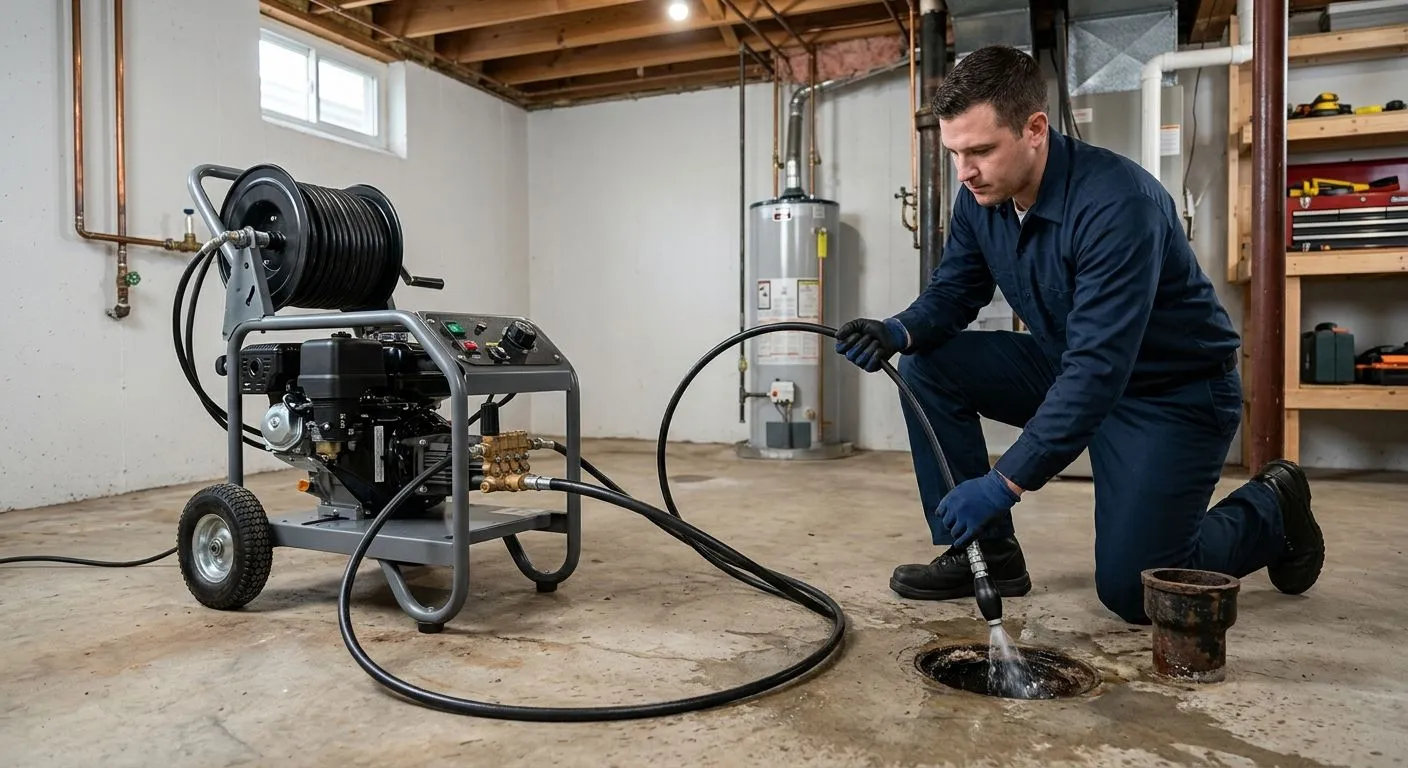
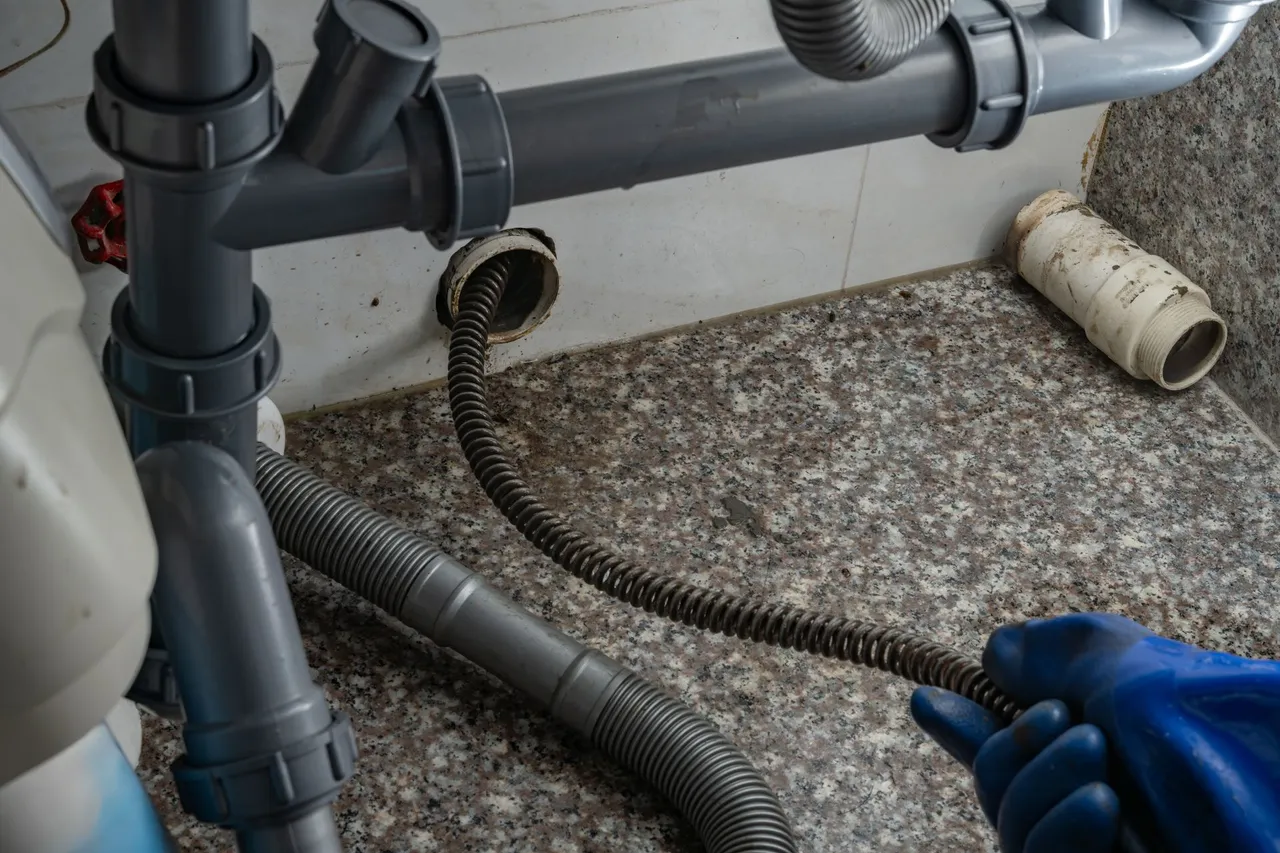
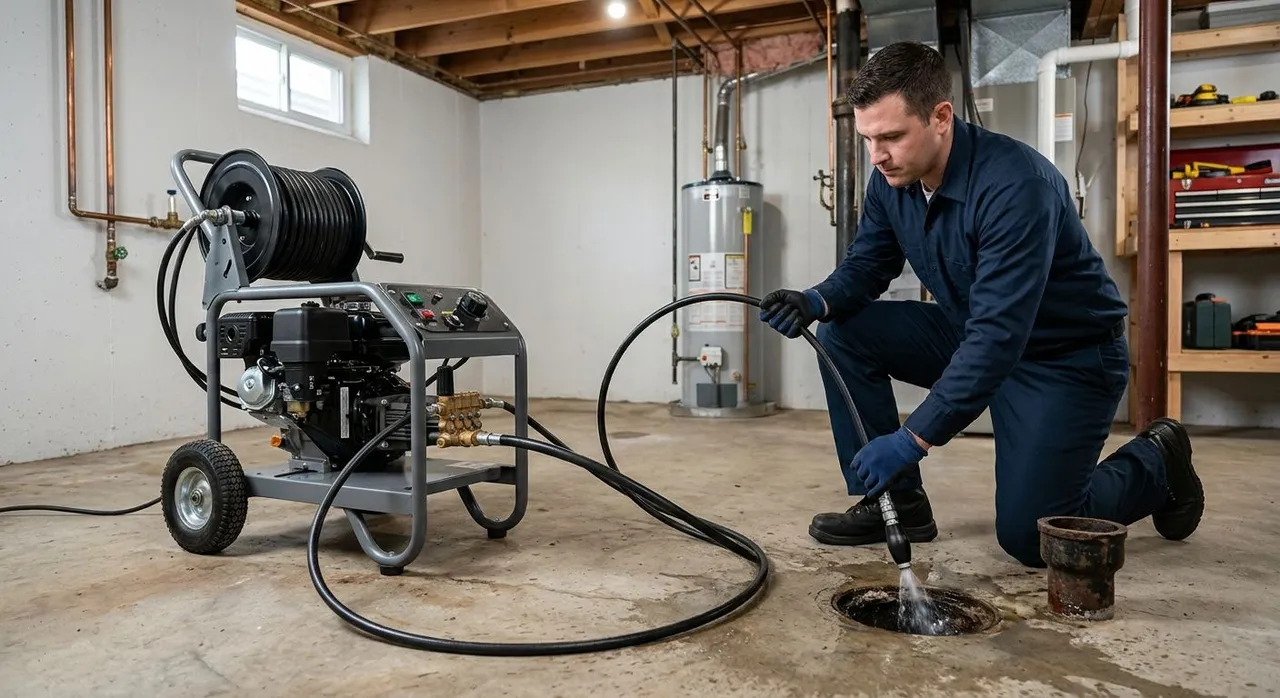
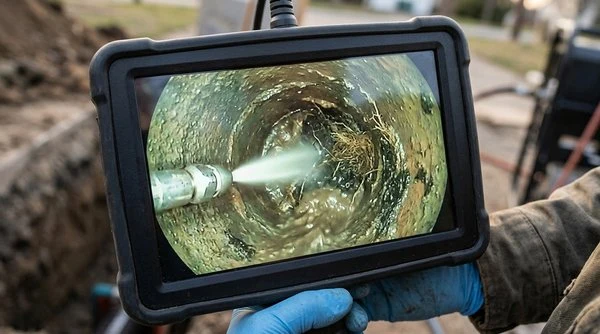
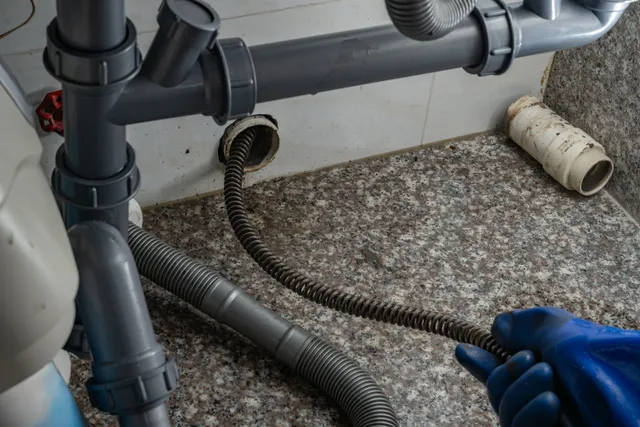
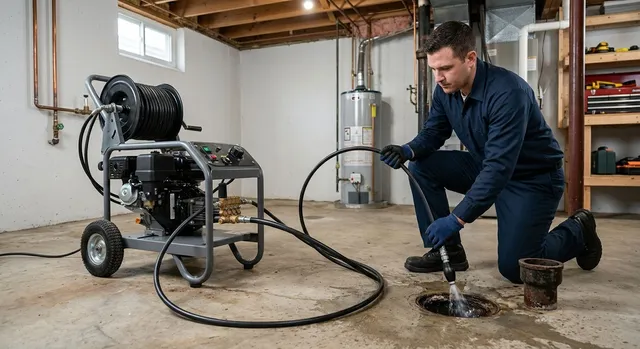
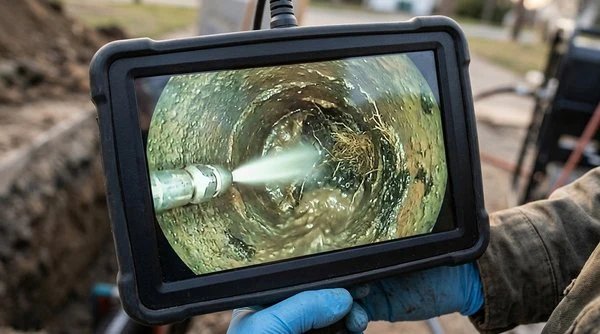
Professional hydrojetting services use specialized equipment that propels water at extremely high pressure through a flexible hose and nozzle inserted into the drain line. The pressurized stream scours every surface of the pipe's interior.
Here is what a typical hydrojetting service involves:
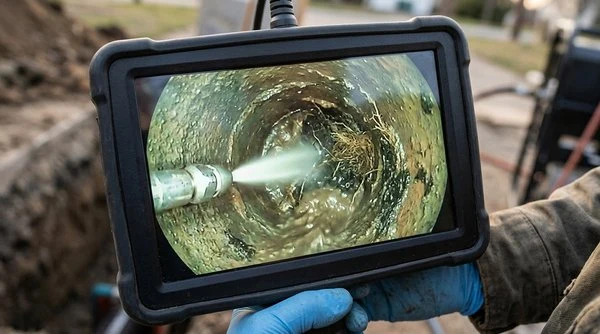
- Camera inspection first. A plumber inserts a small camera into the drain to diagnose the blockage and check pipe condition before applying pressure.
- Hose insertion. The hydrojetting hose is fed into the cleanout access point or directly into the drain opening.
- Pressurized scouring. Water pressure is adjusted based on pipe material and blockage type, then the nozzle is worked through the line.
- Full debris flush. Dislodged grease, scale, roots, and sediment are flushed completely out of the pipe, not just pushed further down the line.
- Final verification. A follow-up camera pass confirms the pipe is clear and undamaged.
The whole process restores the drain to near-original flow capacity. That is a result liquid chemicals simply cannot deliver.
What Hydrojetting Removes That Snaking Cannot
Standard drain snaking breaks through a clog. Hydrojetting removes it entirely. That distinction matters for long-term pipe health.
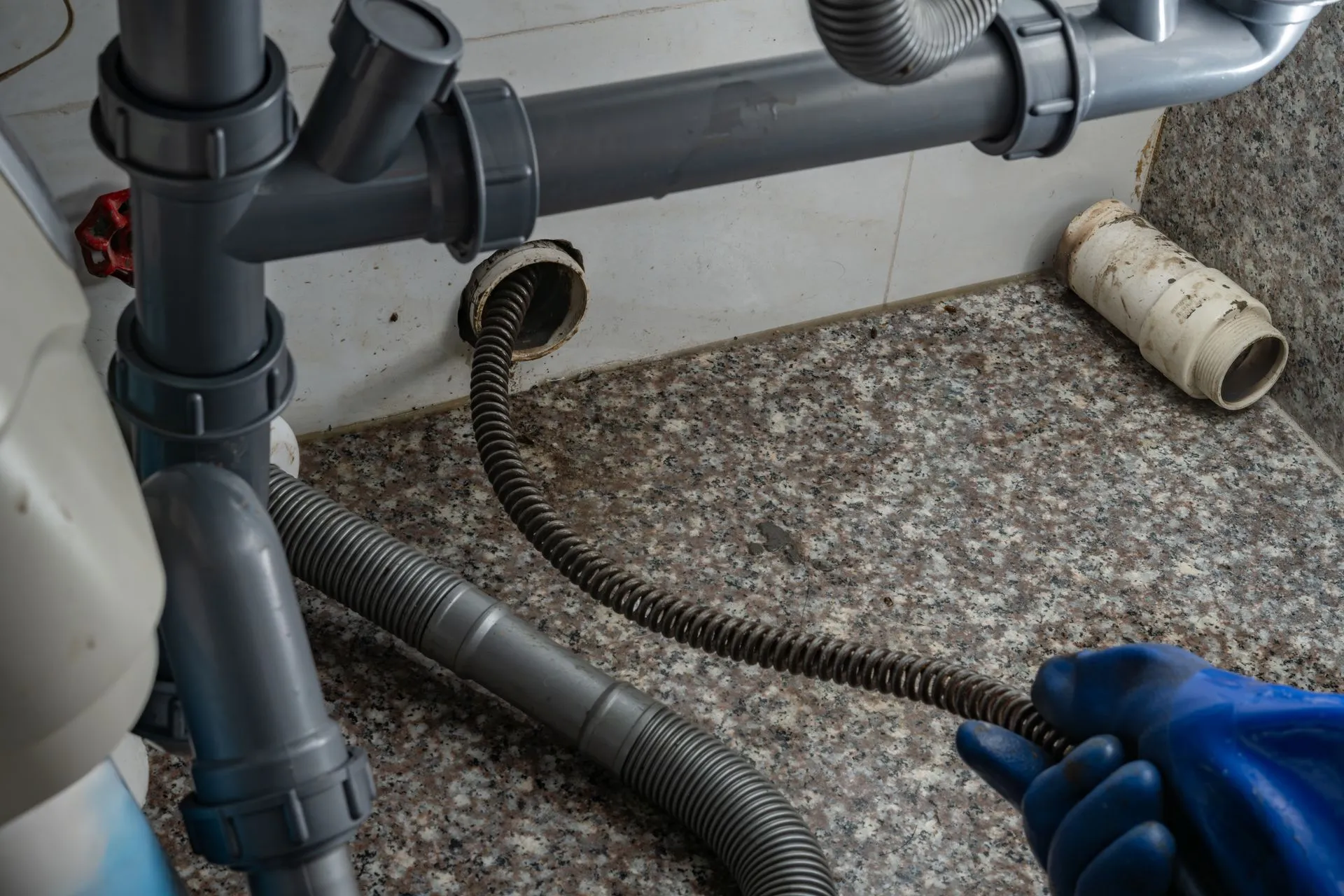
A mechanical snake punches a hole through a blockage but leaves residue clinging to the pipe walls. Grease, biofilm, and mineral buildup begin accumulating again almost immediately. The clog returns, often within weeks.
Hydrojetting scrubs the walls clean.
It removes:
- Tree root fragments lodged in joints and cracks
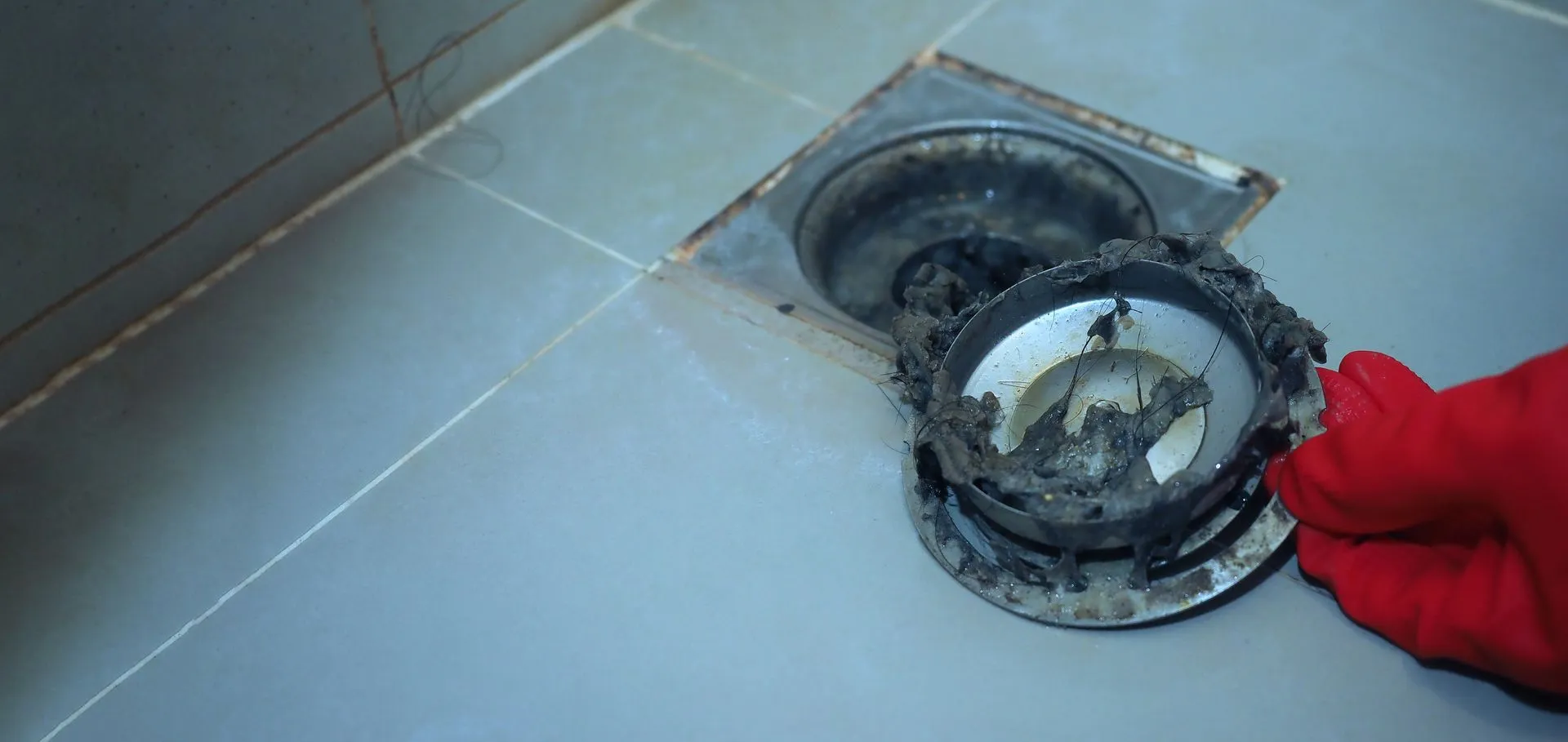
- Years of hardened grease and cooking fat buildup
- Mineral scale from Lansing's water supply
- Sediment and debris washed in from the surrounding clay soil
- Biofilm layers that slow flow and cause odors
The pipe comes out of the process genuinely clean, giving homeowners months or even years of reliable drainage instead of a short-term patch.
When to Call for Hydrojetting Services
Some warning signs are obvious. Others are easy to dismiss until they become emergencies.
Watch for these indicators that a professional hydrojetting service may be overdue:
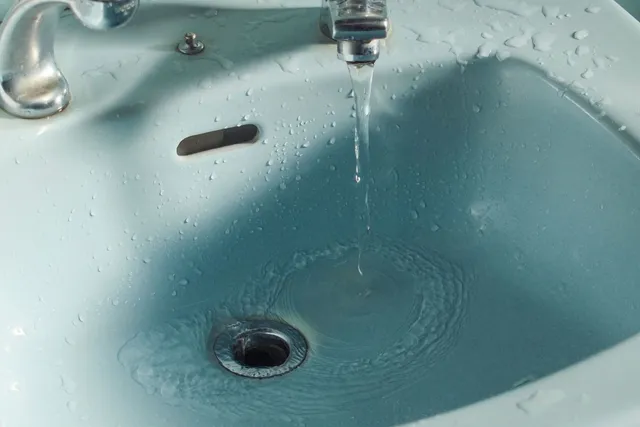
- Multiple drains in the home are slow at the same time
- Gurgling sounds coming from toilets or sink drains after use
- Recurring clogs that return within weeks of snaking
- Sewage odors coming from basement floor drains
- Water backing up in the shower when the washing machine runs
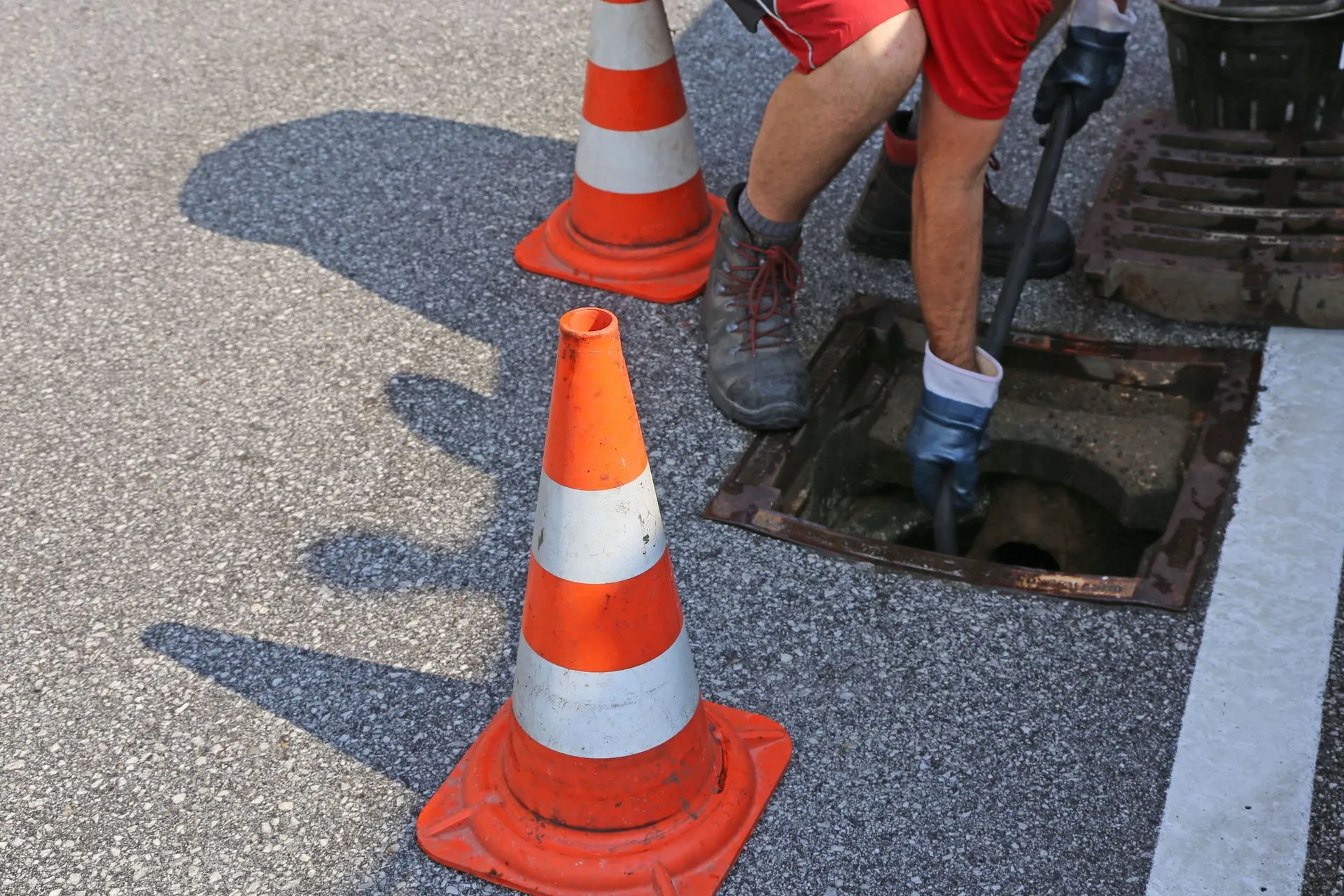
September in Lansing brings leaf fall, and decaying organic matter adds to the debris load in outdoor drains and lateral sewer lines. It is a good time to schedule a drain assessment before winter weather complicates access.
Protecting Older Pipes During Service
Not every pipe can handle maximum hydrojetting pressure. That is why a professional assessment before service is non-negotiable.
Severely corroded cast iron pipes, already thin from decades of wear, require lower pressure settings. A trained plumber adjusts the equipment based on what the camera inspection reveals. Done correctly, hydrojetting is far gentler on aging pipes than repeated chemical treatments.
Pairing hydrojetting with regular drain cleaning services on a scheduled basis keeps pipes clear and extends their useful life significantly.
Frequently Asked Questions
How often should I schedule hydrojetting services for my Lansing home?
Most residential properties benefit from a professional hydrojetting service every one to two years. Homes with mature trees near sewer lines or older clay and cast iron pipes may need service more frequently due to faster root and scale buildup.
Is hydrojetting safe for all types of pipes?
Hydrojetting is safe for most modern pipe materials, including PVC and HDPE. Older cast iron or severely corroded pipes require a camera inspection first so the technician can adjust water pressure accordingly. Proper assessment protects the pipe from any risk of damage.
Can hydrojetting remove tree roots from my sewer line?
Yes. Hydrojetting can cut through and flush out smaller root intrusions. However, if roots have caused significant structural damage to the pipe, a camera inspection will reveal whether repair or replacement is also needed alongside the cleaning.
How is hydrojetting different from standard drain snaking?
A drain snake breaks through a clog mechanically. Hydrojetting uses pressurized water to scour the entire pipe wall clean, removing grease, scale, and debris that snaking leaves behind. The result lasts significantly longer.
Will hydrojetting fix a slow drain caused by hard water scale?
Yes. Mineral scale from hard water accumulates on pipe interiors over time, narrowing the flow path. Hydrojetting's pressurized stream breaks down and flushes mineral deposits effectively, restoring full pipe diameter.
Recurring drain problems do not fix themselves. If slow drains or sewer backups are a pattern in your home, reach out to Armored Plumbing And Drain Cleaning to schedule a professional hydrojetting inspection and get your pipes flowing cleanly again.